Investing in the Dhaka Stock Exchange (DSE) can feel overwhelming at first, but it doesn’t have to be. Whether you’re a salaried professional looking to grow your savings or a student curious about the market, this guide will walk you through the essentials.
What is the DSE?
The Dhaka Stock Exchange is Bangladesh’s primary stock exchange, established in 1954. It lists over 400 companies across sectors like banking, pharmaceuticals, textiles, energy, and technology. The main index, DSEX, tracks the overall market performance.
Step 1: Open a BO Account
A Beneficiary Owner (BO) account is mandatory for trading on the DSE. Here’s how:
- Choose a broker — Select a BSEC-licensed stockbroker. Compare commission rates, platform quality, and customer support.
- Submit documents — You’ll need your NID/passport, bank statement, passport-size photos, and a TIN certificate.
- Fund your account — Transfer money from your bank to your broker’s client account.
The entire process typically takes 3–7 business days.
Step 2: Understand the Basics
Before placing your first trade, familiarize yourself with these concepts:
- Market orders execute immediately at the current price
- Limit orders let you set a maximum buy price or minimum sell price
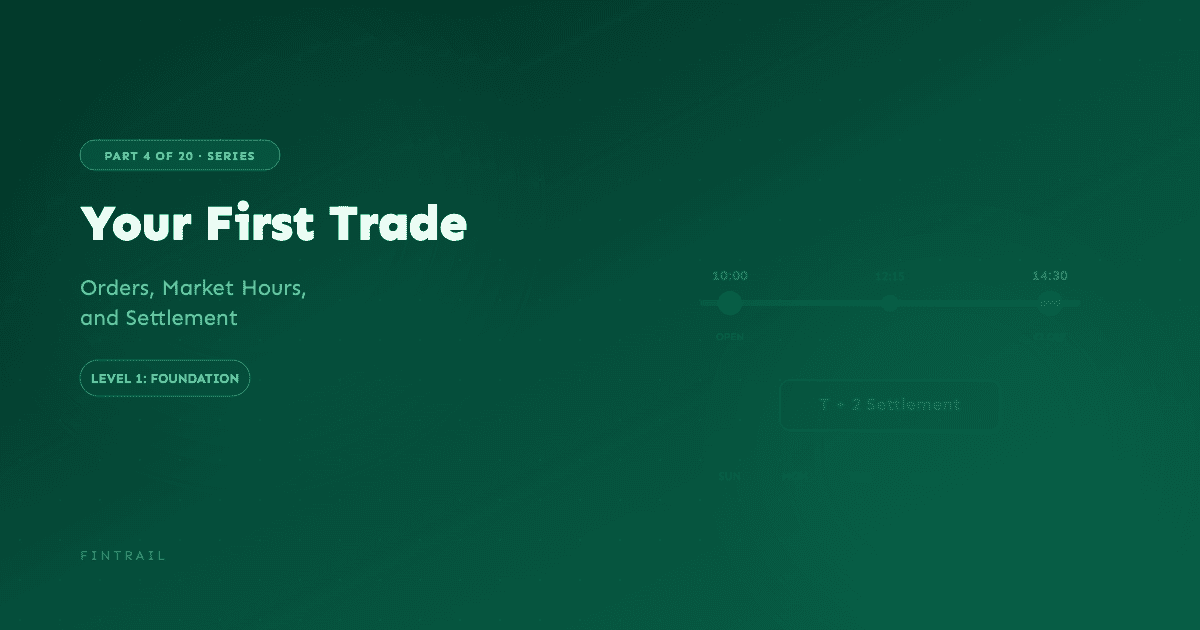
- Market hours are Sunday to Thursday, 10:00 AM to 2:30 PM (Bangladesh time)
- Settlement follows a T+2 cycle — trades settle two business days after execution
Step 3: Research Before You Invest
Never buy a stock just because someone recommended it. Do your own research:
- Check fundamentals — Look at P/E ratio, EPS, NAV, dividend history, and revenue growth
- Read financial statements — Annual reports reveal a company’s true health
- Understand the sector — Some sectors are cyclical, others are defensive
- Review shareholding patterns — High sponsor/director holdings often signal confidence
Step 4: Start Small and Diversify
Don’t put all your money into a single stock. A well-diversified portfolio across 8–12 stocks in different sectors can reduce risk significantly. Start with a small amount you’re comfortable potentially losing while you learn.
Step 5: Track Your Portfolio
Keeping track of your buy prices, quantities, dividends, and overall returns is crucial. Manual spreadsheets work but are tedious and error-prone. Tools like FinTrail automate this entirely — giving you real-time portfolio valuation, P&L tracking, and performance analytics.
Common Mistakes to Avoid
- Chasing hot tips — By the time you hear a “tip,” it’s usually too late
- Ignoring stop-losses — Always have an exit plan for when things go wrong
- Overtrading — Frequent buying and selling racks up commissions and taxes
- Emotional decisions — Fear and greed are an investor’s worst enemies
The Bottom Line
DSE investing is a marathon, not a sprint. Focus on learning, stay disciplined, and give your investments time to grow. The Bangladesh economy is growing, and with the right approach, the stock market can be a powerful wealth-building tool.
Ready to start tracking your DSE portfolio? Sign up for FinTrail — it’s free.